Sustainable agriculture is no longer a niche concept; it's the future of food production. At the forefront of this movement are Power Take-Off (PTO) tillers, powerful tractor attachments revolutionizing soil preparation. This article explores the crucial role of PTO tillers in sustainable farming, guiding you through choosing the most fuel-efficient and environmentally responsible option for your operation. For reliable tractor options to power your tiller, check out tractor brands.
Understanding PTO Tillers: The Mechanics of Sustainable Tillage
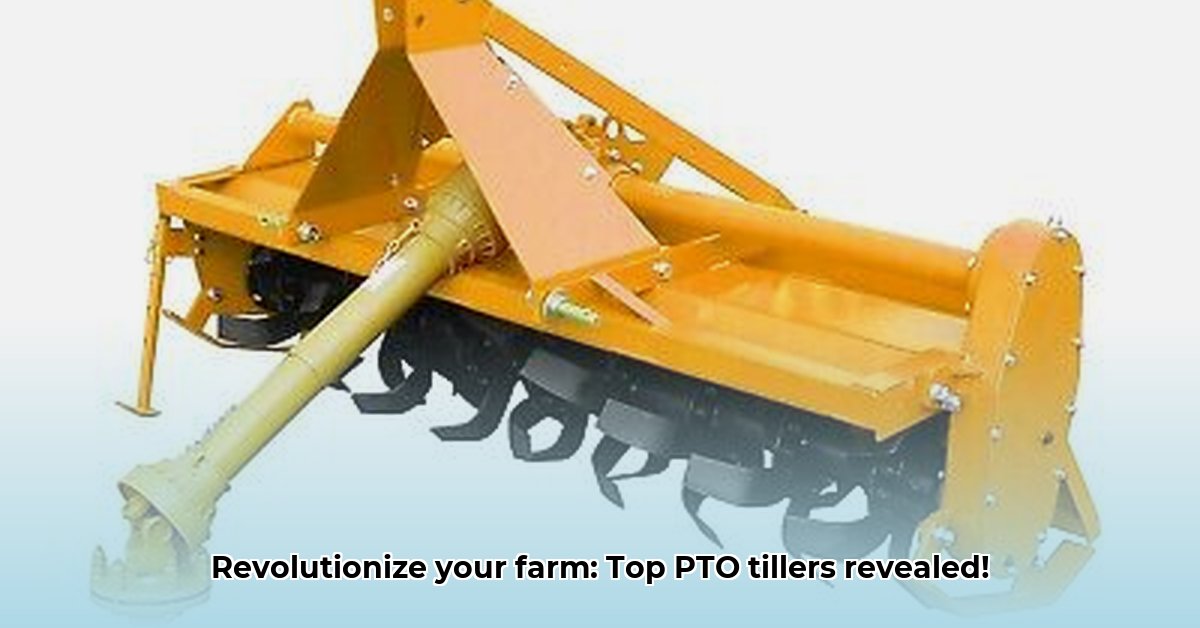
PTO tillers are essentially large-scale rotary tillers powered directly by your tractor's Power Take-Off (PTO) shaft. Unlike smaller, self-powered tillers, they draw their immense power from the tractor's engine, resulting in significantly increased efficiency for larger fields. This connection spins a set of robust blades, effectively churning the soil, breaking up compaction, mixing in organic matter, and creating an ideal seedbed. Think of it as an agricultural powerhouse designed for both efficiency and minimal environmental impact.
Sustainability and Tillage: Minimizing Environmental Impact
Traditional tillage methods, often involving deep plowing, have significant environmental drawbacks. Deep plowing disrupts the soil's natural structure, increasing erosion and reducing its ability to retain water. This necessitates greater irrigation and contributes to soil degradation. Additionally, the substantial fuel consumption of large tractors used for deep plowing adds to greenhouse gas emissions and increases operating costs. Are these practices truly sustainable?
Choosing the Right PTO Tiller: Key Considerations for Sustainable Farming
Selecting the perfect PTO tiller involves careful consideration of several factors. While specific product details are unavailable for this general guide, understanding these key aspects will equip you to make an informed decision:
1. Tractor Horsepower Matching
Ensure your tractor possesses sufficient horsepower to operate the tiller efficiently. Underpowering the tiller leads to increased fuel consumption and potential damage to both the tiller and the tractor. It’s crucial to match the tiller's horsepower requirements to your tractor's capacity for optimal performance and sustainability.
2. Tillage Depth Adjustment
Adjustable tillage depth is critical for sustainability. Shallower tillage minimizes soil disturbance, reducing erosion and preserving the soil's structure. This also translates to lower fuel consumption, as less power is needed for shallower tilling. The optimal depth varies depending on soil type and the chosen crop.
3. Working Width Optimization
The tiller's working width directly impacts field coverage efficiency. Wider tillers cover more ground per pass, reducing the time spent tilling. However, consider the maneuverability of your tractor within your fields. A narrower tiller might be more suitable for smaller fields or areas with obstacles.
4. Fuel Efficiency Assessment
While specific fuel consumption figures may vary greatly between models, prioritize tillers known for their efficient design and robust construction. Research reviews and seek advice from experienced farmers to gauge the relative fuel efficiency of different models. Long-term fuel savings significantly contribute to both economic and environmental sustainability.
5. Maintenance and Durability
Investing in a well-built, durable tiller minimizes the need for frequent repairs and replacements, reducing both costs and environmental impact tied to manufacturing and disposal. Regular maintenance is crucial for maximizing efficiency and minimizing fuel consumption.
Sustainable Tillage Techniques: Integrating Best Practices
Moving beyond the machine itself, sustainable tillage necessitates adopting holistic farming practices:
1. No-Till Farming
No-till farming is a powerful method minimizing soil disturbance. While not always compatible with PTO tillers (it might involve other specialized equipment), it is a sustainable alternative that shares the goal of minimizing soil disruption and preserving its natural structure.
2. Cover Cropping
Planting cover crops between main crops helps prevent soil erosion, improve water retention, and enrich the soil with nutrients. This reduces the need for extensive tillage, promoting soil health and reducing environmental impact.
3. Precision Agriculture Integration
Precision agriculture technologies, such as GPS, allow for more targeted tillage, minimizing unnecessary soil disturbance and optimizing resource allocation. This smart approach reduces environmental impact and improves overall efficiency.
The Future of Sustainable Tillage: Continuous Innovation
The pursuit of sustainable agriculture is an ongoing journey. The future holds exciting advancements in PTO tiller design, promising increased fuel efficiency, reduced environmental impact, and enhanced precision. Innovations in materials, engineering and technology will continue to shape the ways and means of sustainable tillage practices.
Is a PTO Tiller Right for Your Farm?
Evaluating your farm's specific needs and goals is crucial for determining whether a PTO tiller is the right investment for you. If you prioritize sustainable farming practices, fuel efficiency, and minimizing your environmental footprint, a PTO tiller can significantly contribute to achieving these objectives. However, remember that careful planning, thorough research and potentially seeking advice from experienced farmers are all crucial steps in making an informed decision.
How to Choose a Sustainable PTO Tiller for Fuel Efficiency: Key Takeaways
- PTO tillers offer significant improvements in farming efficiency and reduce environmental impact compared to traditional tillage methods.
- Sustainable tillage involves integrating various practices such as minimum tilling, no-till farming, and cover cropping.
- Fuel efficiency is a critical factor in choosing a tiller impacting both environmental impact and long-term cost.
- Careful selection of a PTO tiller depends on farm size, soil type, and your budget.
- Long-term soil health and productivity are inextricably linked to responsible tiller use and sustainable farming practices.